
Series 5
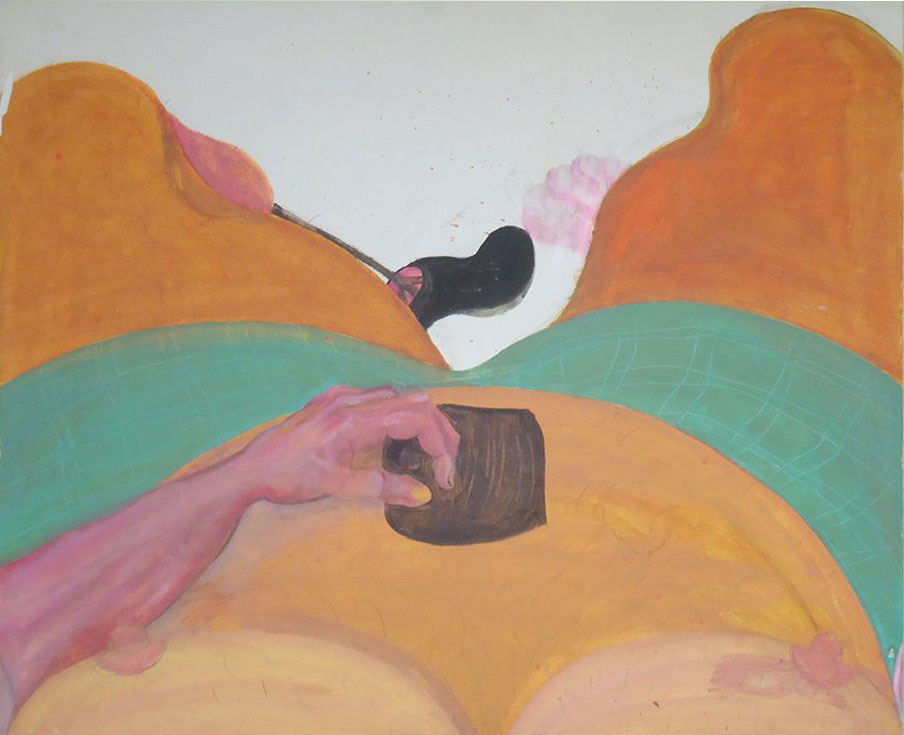
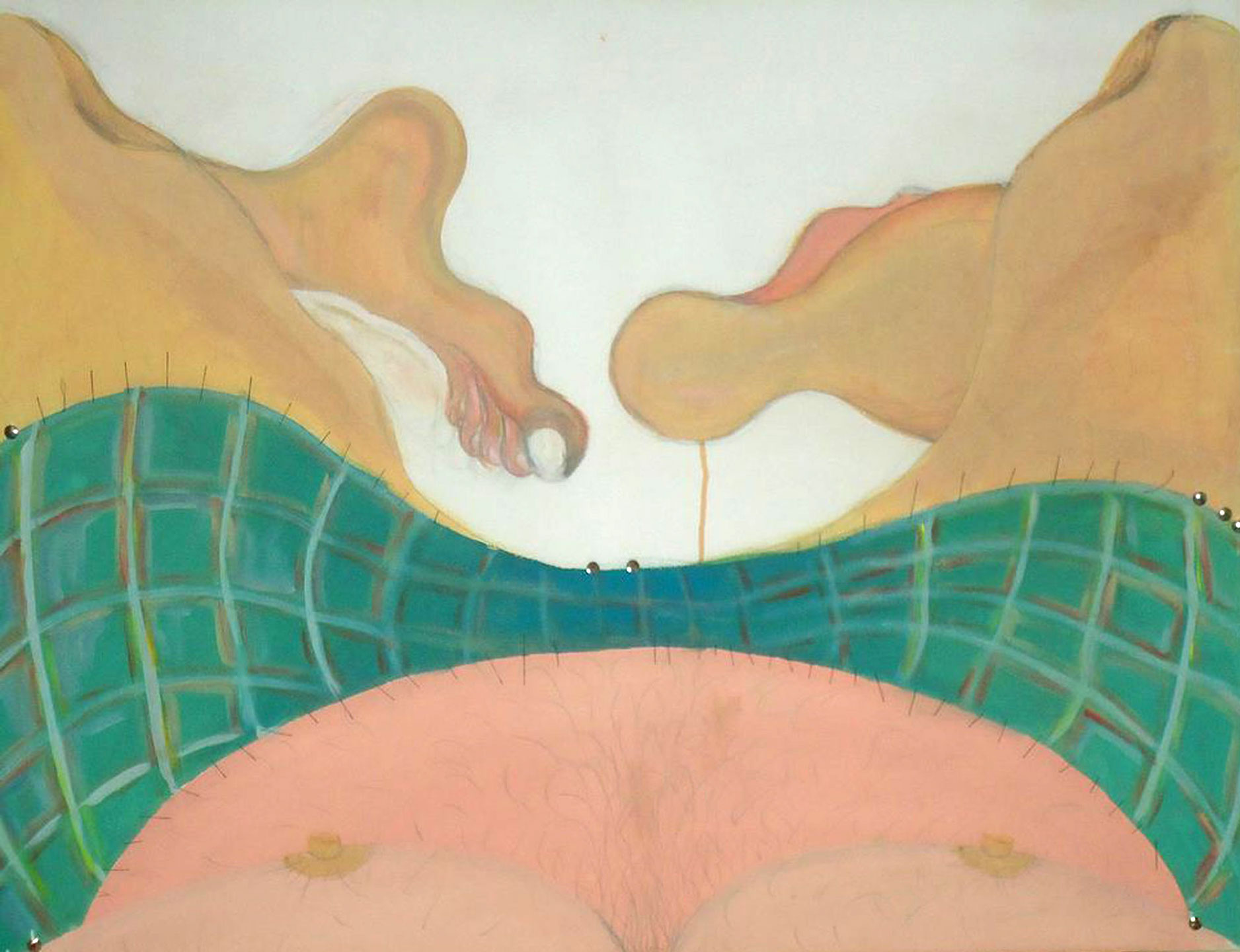
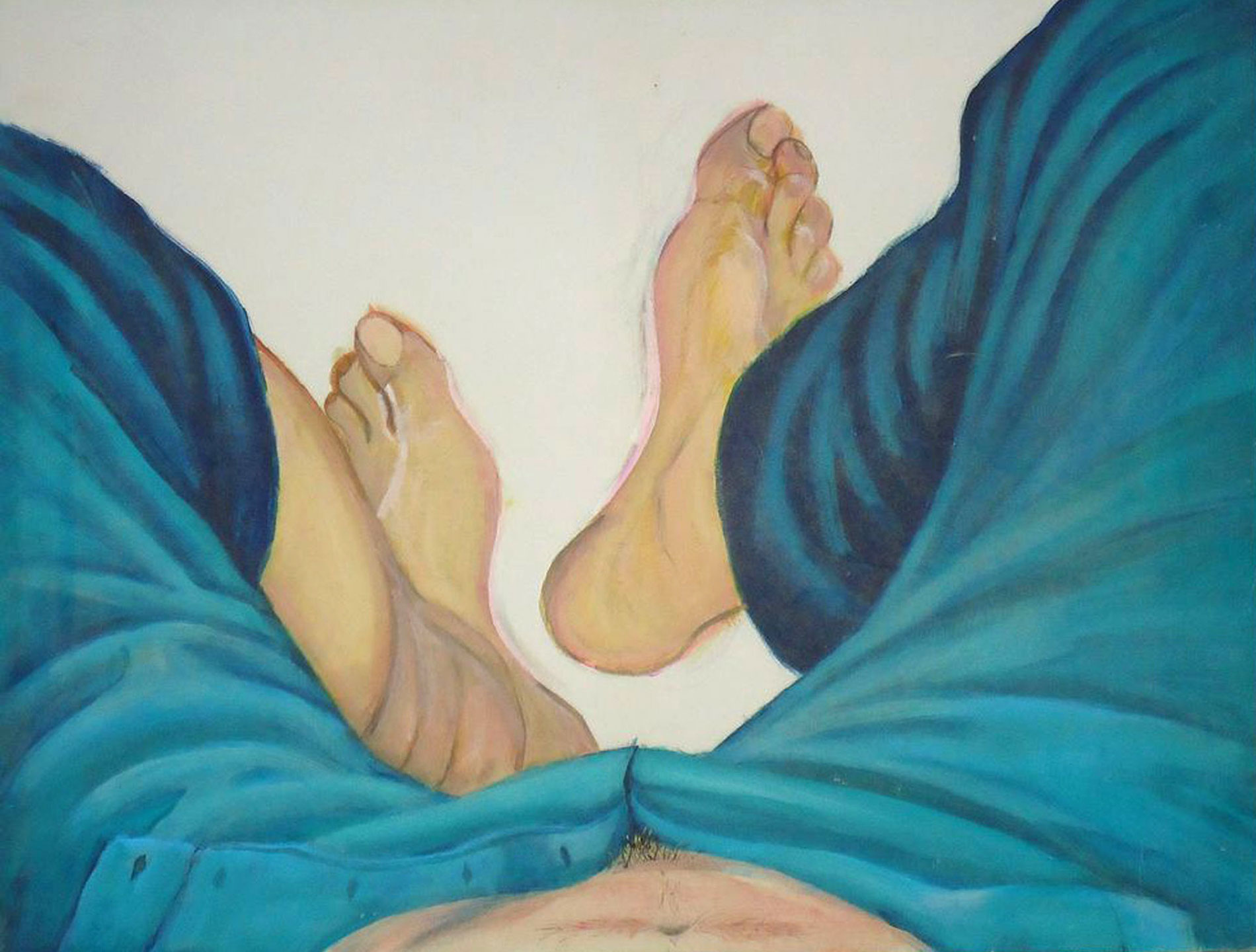
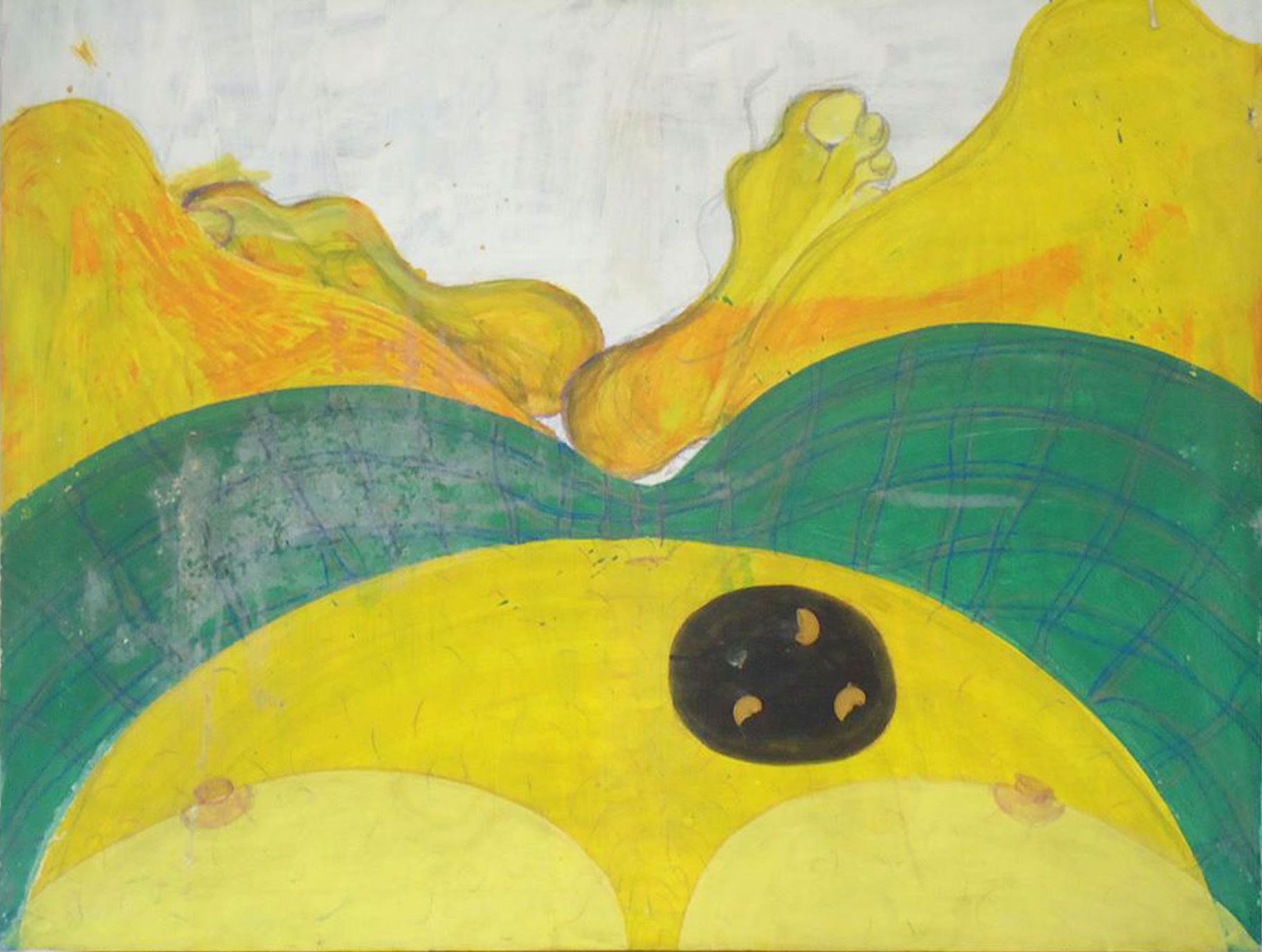
In this captivating series, Neven Tudić explores the philosophical terrain of embodiment through an ingenious visual metaphor—transforming human anatomy into landscape. Working at the intersection of figuration and abstraction, Tudić reconfigures the intimate geography of the body, creating what Merleau-Ponty might term a “phenomenological cartography” where flesh becomes topography. The recurring motif of grid-patterned turquoise pools amid flesh-toned elevations suggests a dialectical relationship between the structured, geometric rationality of human construction (the grid) and the organic, flowing contours of bodily existence. This visual dialectic echoes Heidegger’s distinction between the “ready-to-hand” world of immediate bodily engagement and the “present-at-hand” realm of abstract conceptualization.
The fragmented view of bodies—primarily focused on hands and feet—creates a philosophical commentary on synecdoche and partiality in human understanding. Rather than depicting whole subjects, Tudić presents parts that paradoxically evoke completeness, recalling Husserl’s concept that consciousness always apprehends objects partially while intending their wholeness. The high-angle perspective places viewers in an omniscient position that simultaneously invites and frustrates voyeuristic desire—we see but cannot fully possess the scene. This tension between revelation and concealment embodies what Sartre called the “look” that objectifies yet cannot fully capture another’s subjectivity. The swimming pool settings further invoke notions of fluidity and liminality, suggesting the liquid boundaries between self and other that characterize intimate human encounters, while the occasional presence of shoes and other objects introduces cultural artifacts into this otherwise primal landscape, pointing toward the complex interweaving of nature and culture in human sexuality.


